Pest ID Guide
Missouri Pest Identification Guide
Identify common pests found in Greater St. Louis homes. Learn what to look for, prevention tips, and when to call a professional.
26 pests found
Eastern Subterranean Termite
termitesThe most destructive termite species in Missouri, responsible for billions in damage annually. They live underground and build mud tubes to reach wood in structures.
Signs of Infestation
- •Mud tubes on foundation walls
- •Hollow-sounding wood
- •Discarded wings near windows
- •Sagging floors or ceilings
Prevention
Annual termite inspections, moisture control, keep wood away from foundation, fix leaks promptly.
Fun Fact: A single colony can contain up to 1 million termites and consume 15 pounds of wood per week.
Formosan Termite
termitesKnown as 'super termites,' Formosan colonies can contain millions of individuals and cause severe structural damage faster than any other termite species.
Signs of Infestation
- •Large mud nests in walls
- •Swarming at night near lights
- •Rapid wood destruction
- •Honeycomb-patterned damaged wood
Prevention
Professional monitoring stations, soil treatment around foundation, regular inspections.
Fun Fact: Formosan termite colonies can eat through an entire 2x4 in just 25 days.
Brown Recluse Spider
spidersOne of Missouri's most dangerous spiders with a venomous bite that can cause severe tissue damage. Identified by a violin-shaped mark on its back.
Signs of Infestation
- •Violin-shaped marking on body
- •Found in dark, undisturbed areas
- •Irregular webs in corners
- •Light brown color, about quarter-sized
Prevention
Seal cracks and gaps, reduce clutter, shake out clothing and shoes, use sticky traps in dark areas.
Fun Fact: Brown recluse spiders can survive up to 6 months without food or water.
Black Widow Spider
spidersRecognizable by the red hourglass marking on the abdomen. Their venom is 15 times stronger than a rattlesnake's but rarely fatal to healthy adults.
Signs of Infestation
- •Red hourglass on black body
- •Irregular tangled webs
- •Found in garages and woodpiles
- •Egg sacs are round and papery
Prevention
Wear gloves when working outdoors, clear woodpiles, reduce outdoor lighting that attracts prey.
Fun Fact: Only female black widows are dangerous — males are much smaller and harmless to humans.
Wolf Spider
spidersLarge, hairy spiders that are commonly found in Missouri homes. They don't build webs and instead actively hunt prey. Their bite is painful but not medically significant.
Signs of Infestation
- •Large size (up to 1.5 inches)
- •Hairy body, brown with markings
- •Found on ground level
- •Fast runners, especially at night
Prevention
Seal entry points, reduce ground cover around home, minimize exterior lighting.
Fun Fact: Female wolf spiders carry their egg sac on their back and baby spiders ride on mom for weeks.
German Cockroach
insectsThe most common cockroach species in St. Louis homes. They reproduce extremely fast, spread disease, trigger allergies, and are notoriously difficult to eliminate without professional help.
Signs of Infestation
- •Small (½ inch), light brown with two dark stripes
- •Droppings look like coffee grounds
- •Musty odor in heavy infestations
- •Found in kitchens and bathrooms
Prevention
Eliminate food and water sources, seal cracks, keep kitchen spotless, fix plumbing leaks.
Fun Fact: A single pair of German cockroaches can produce over 300,000 offspring in one year.
American Cockroach
insectsThe largest common cockroach species, often called 'palmetto bugs.' They prefer warm, damp environments like basements and sewers.
Signs of Infestation
- •Reddish-brown, 1.5-2 inches long
- •Found in basements and drains
- •Can fly short distances
- •Leave behind large droppings
Prevention
Seal gaps around pipes, repair drain issues, use dehumidifiers in basements.
Fun Fact: American cockroaches can hold their breath for 40 minutes and survive submerged underwater for 30 minutes.
House Mouse
rodentsThe most common rodent invader in Missouri homes. Mice contaminate food, damage wiring (fire risk), and spread diseases including hantavirus and salmonella.
Signs of Infestation
- •Small droppings (rice-sized)
- •Gnaw marks on food packaging
- •Scratching sounds in walls
- •Nesting materials (shredded paper)
Prevention
Seal gaps larger than ¼ inch, store food in sealed containers, eliminate clutter, trim vegetation from foundation.
Fun Fact: A mouse can squeeze through a hole the size of a dime and can jump 12 inches high.
Norway Rat
rodentsLarge, aggressive rats that burrow near foundations and can cause serious structural damage. They carry diseases and contaminate food supplies.
Signs of Infestation
- •Large droppings (½ inch)
- •Burrow holes near foundation
- •Greasy rub marks along walls
- •Gnaw damage on wood and wiring
Prevention
Eliminate food sources, seal openings larger than ½ inch, remove outdoor debris, secure trash cans.
Fun Fact: Norway rats can chew through concrete, aluminum, and even lead pipes.
Roof Rat
rodentsExcellent climbers that nest in attics, trees, and upper levels of buildings. They spread diseases and cause significant property damage.
Signs of Infestation
- •Smaller droppings with pointed ends
- •Sounds in attic or ceiling
- •Fruit or nut damage in yard
- •Nests in insulation or trees
Prevention
Trim tree branches away from roof, seal roofline gaps, secure attic vents.
Fun Fact: Roof rats can fall 50 feet without injury and climb almost any surface.
Carpenter Ant
insectsLarge black ants that excavate wood to build nests, causing structural damage similar to termites. Common in Missouri homes with moisture issues.
Signs of Infestation
- •Large black ants (½ inch+)
- •Sawdust piles near wood
- •Hollow-sounding wood structures
- •Winged ants swarming in spring
Prevention
Fix moisture problems, replace rotting wood, keep firewood away from home, trim tree branches.
Fun Fact: Carpenter ants don't eat wood — they carve it out and push the sawdust out of their tunnels.
Fire Ant
insectsAggressive ants with a painful sting that can cause allergic reactions. They build visible mound nests in yards and can damage electrical equipment.
Signs of Infestation
- •Dome-shaped mounds in yard
- •Aggressive when disturbed
- •Painful, burning stings
- •Red-brown color, ¼ inch
Prevention
Treat mounds promptly, maintain lawn, inspect equipment and utility boxes.
Fun Fact: Fire ants can form living rafts during floods, linking together to float for weeks.
Silverfish
insectsNocturnal insects that thrive in humid environments. They feed on paper, glue, clothing, and food crumbs, damaging books, wallpaper, and stored items.
Signs of Infestation
- •Silver-gray, teardrop-shaped body
- •Found in bathrooms and basements
- •Damage to paper and fabrics
- •Yellow stains on materials
Prevention
Use dehumidifiers, seal cracks in bathrooms, store paper goods in sealed containers.
Fun Fact: Silverfish can survive for a year without eating and have been on Earth for over 400 million years.
Stink Bug
insectsBrown marmorated stink bugs invade Missouri homes in fall seeking warmth. They release a foul odor when disturbed or crushed. While not dangerous, they're a major nuisance.
Signs of Infestation
- •Shield-shaped, brown body
- •Mass invasion in autumn
- •Foul smell when crushed
- •Congregate on sunny walls
Prevention
Seal windows and doors before fall, install door sweeps, repair screens, use exterior barrier treatment.
Fun Fact: Stink bugs were accidentally introduced from Asia in the late 1990s and have spread to 44 states.
Bed Bug
insectsParasitic insects that feed on human blood at night. Infestations are notoriously difficult to eliminate without professional treatment and can cause itchy bites and sleep disruption.
Signs of Infestation
- •Red, itchy bites in rows
- •Blood spots on sheets
- •Dark fecal spots on mattress
- •Sweet, musty odor
Prevention
Inspect secondhand furniture, use mattress encasements, be cautious in hotels.
Fun Fact: Bed bugs can survive up to a year without a blood meal and withstand temperatures from near-freezing to 122°F.
Mosquito
flyingMore than just a nuisance — mosquitoes are the world's deadliest animal, transmitting diseases like West Nile virus, Zika, and encephalitis. Missouri's humid summers create ideal breeding conditions.
Signs of Infestation
- •Buzzing near standing water
- •Itchy, raised bite welts
- •Larvae in stagnant water
- •Active at dawn and dusk
Prevention
Eliminate standing water, use screens, maintain gutters, schedule professional yard treatments.
Fun Fact: Only female mosquitoes bite — they need blood protein to develop their eggs.
House Fly
flyingHouse flies carry over 100 different pathogens and spread disease by landing on food and surfaces after visiting garbage and waste.
Signs of Infestation
- •Buzzing around food and trash
- •Dark spots on surfaces (fecal)
- •Maggots in decaying matter
- •Cluster near windows
Prevention
Keep screens intact, cover food, manage trash, clean pet waste promptly.
Fun Fact: A house fly can taste with its feet — it has taste receptors on its legs.
Raccoon
wildlifeIntelligent and adaptable, raccoons commonly invade Missouri attics, chimneys, and garages. They can carry rabies, distemper, and roundworm.
Signs of Infestation
- •Overturned trash cans
- •Sounds in attic at night
- •Damage to roof or soffit
- •Large droppings on roof or deck
Prevention
Secure trash, cap chimney, seal attic openings, remove outdoor pet food at night.
Fun Fact: Raccoons can remember solutions to complex tasks for up to three years.
Opossum
wildlifeNorth America's only marsupial. Opossums often take shelter under decks, in sheds, and in crawl spaces. While generally docile, they can carry fleas and leptospirosis.
Signs of Infestation
- •Found under decks or sheds
- •Nocturnal activity
- •Distinctive tracks with thumb
- •Hissing when cornered
Prevention
Seal openings under decks, remove food sources, install motion lights.
Fun Fact: Opossums are almost immune to snake venom and eat thousands of ticks each year.
Squirrel
wildlifeEastern gray squirrels and fox squirrels commonly invade Missouri attics, chewing wiring (fire hazard), insulation, and structural components.
Signs of Infestation
- •Scurrying sounds in attic
- •Chewed holes at roofline
- •Damaged wiring or insulation
- •Droppings in attic
Prevention
Trim branches 6+ feet from roof, cap vents, repair fascia damage.
Fun Fact: Squirrels plant thousands of trees each year by forgetting where they buried their acorns.
Bat
wildlifeSeveral bat species roost in Missouri attics and eaves. While beneficial for insect control, bats can carry rabies and their guano causes health hazards.
Signs of Infestation
- •Squeaking sounds at dusk
- •Guano near entry points
- •Staining around roof gaps
- •Bats visible at dusk
Prevention
Seal entry points in fall/winter (not during maternity season), install bat houses away from home.
Fun Fact: A single bat can eat up to 1,000 mosquitoes in a single hour.
Flea
insectsFleas are parasitic insects that feed on pets and humans, causing itchy bites and potentially transmitting tapeworms and murine typhus.
Signs of Infestation
- •Pets scratching excessively
- •Tiny dark specks on pet bedding
- •Red, itchy bites on ankles
- •Jumping insects in carpet
Prevention
Treat pets regularly, vacuum frequently, wash pet bedding weekly.
Fun Fact: Fleas can jump up to 150 times their own body length — that's like a human jumping over a skyscraper.
Tick
insectsMissouri is home to several tick species including the Lone Star tick and deer tick. They transmit Lyme disease, Rocky Mountain spotted fever, and ehrlichiosis.
Signs of Infestation
- •Attached to skin after outdoor activity
- •Bull's-eye rash (Lyme disease)
- •Found in tall grass and wooded areas
- •Active spring through fall
Prevention
Wear long clothing outdoors, use repellent, check body after outdoor activity, treat yard perimeter.
Fun Fact: Ticks can survive being submerged in water for 2-3 days and can go 200 days without feeding.
Wasp & Hornet
flyingPaper wasps, yellow jackets, and hornets build nests on and around Missouri homes. Their stings are painful and can be dangerous for those with allergies.
Signs of Infestation
- •Paper nests under eaves
- •Ground nests in yard
- •Aggressive behavior near nest
- •Increased wasp activity in fall
Prevention
Remove nests early in spring when small, seal gaps in siding, avoid leaving sweet drinks outside.
Fun Fact: Yellow jackets are actually attracted to the color yellow — wearing white or khaki can help avoid them.
Pantry Moths
flyingIndian meal moths infest stored grains, cereals, nuts, and dried fruits. Their larvae spin webs inside food packaging, contaminating entire pantries.
Signs of Infestation
- •Small moths flying near pantry
- •Webbing in food containers
- •Larvae in cereal or flour
- •Cocoons on cabinet ceilings
Prevention
Store dry goods in sealed containers, inspect groceries before storing, clean pantry regularly.
Fun Fact: A single female pantry moth can lay up to 400 eggs directly on food sources.
Mole
wildlifeEastern moles tunnel through Missouri lawns, creating raised ridges and mounds that damage grass, gardens, and landscaping.
Signs of Infestation
- •Raised tunnel ridges in yard
- •Volcano-shaped dirt mounds
- •Soft, spongy lawn areas
- •Dying grass along tunnel lines
Prevention
Treat grubs (their food source), use professional trapping, maintain lawn health.
Fun Fact: Moles can dig up to 18 feet per hour and eat nearly their entire body weight in insects daily.
Service Areas
Proudly Serving Greater St. Louis
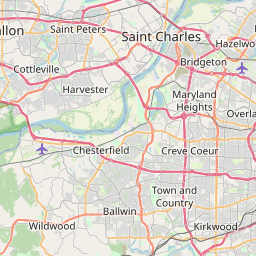
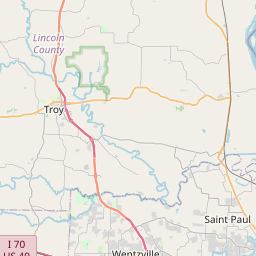
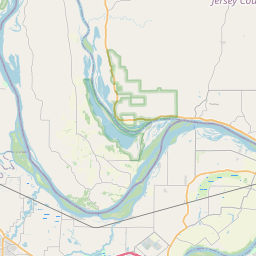
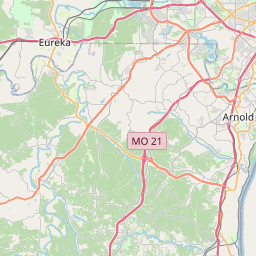
Zoom in and click any marker to explore our coverage across St. Louis County · St. Charles County · Lincoln County · Jefferson County


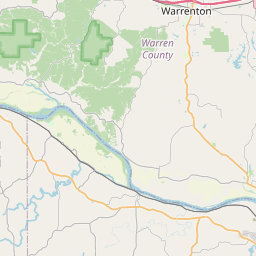

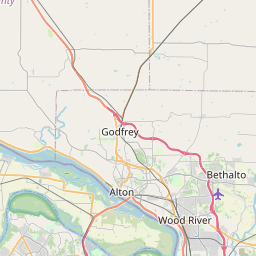
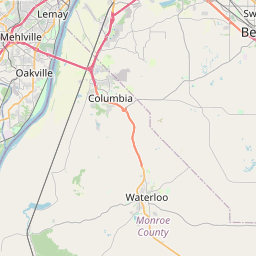
Coverage Regions
- St. Louis County
- St. Charles County
- Lincoln County
- Jefferson County